I just wanted to make art. Now I know what a BAS is.
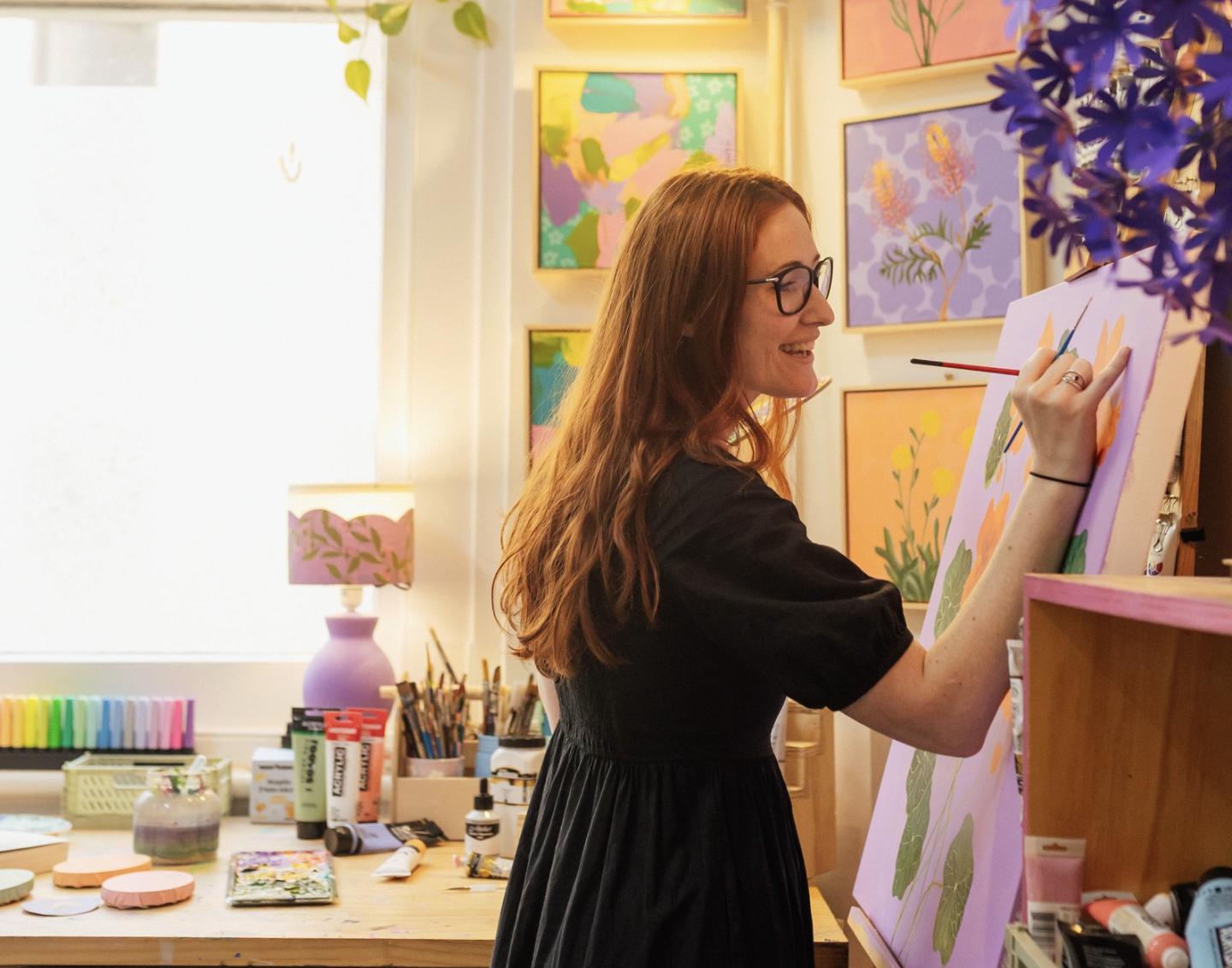
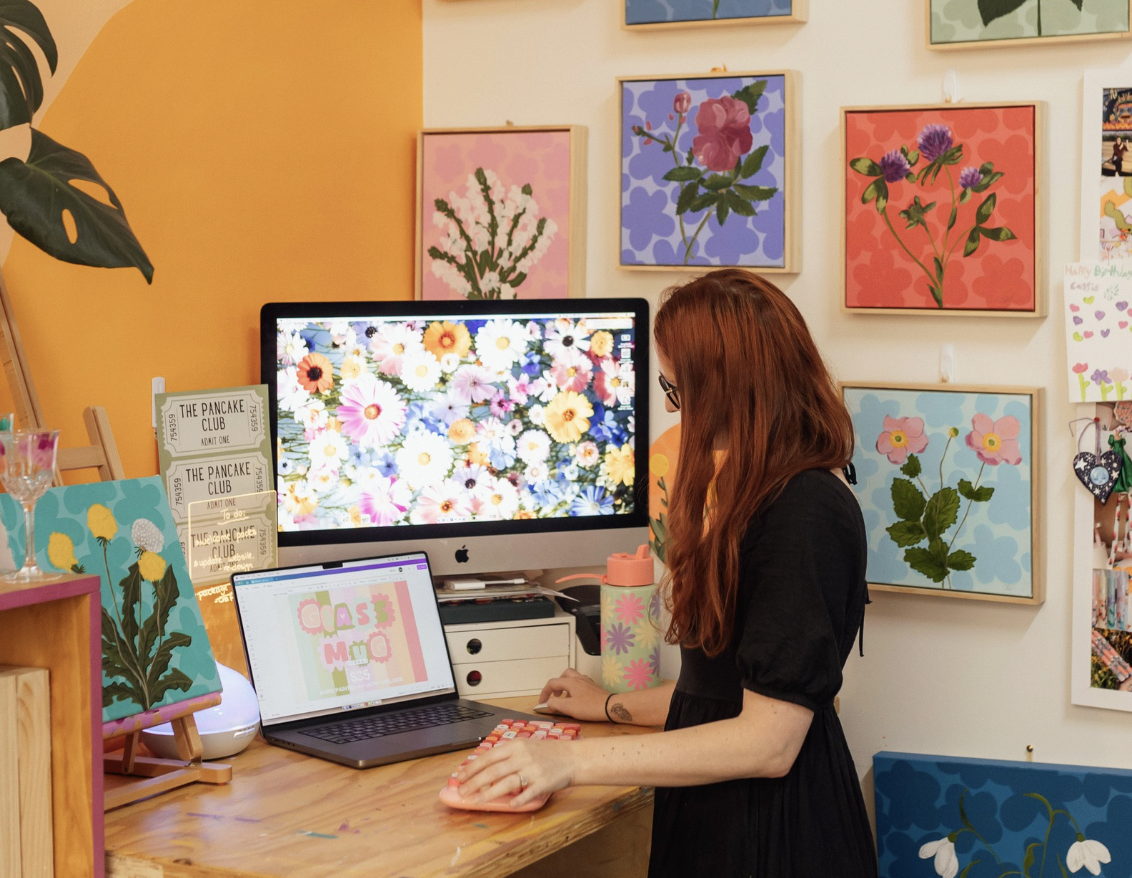
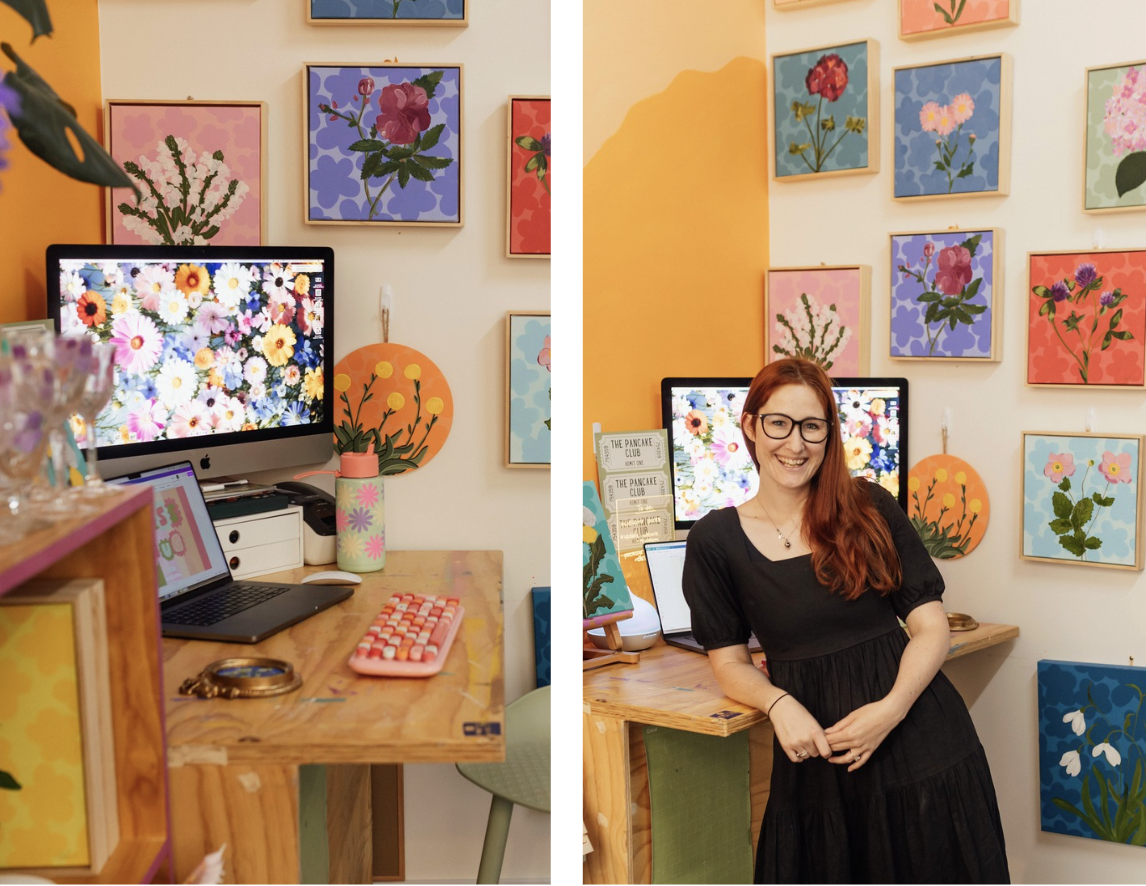
Snaps by: Tessa the Photographer
Confessions of an artist who accidentally became a business owner
When I started teaching myself to paint in 2019, I had a fairly simple idea of what being an artist might look like.
I would paint things. People might like those things. Maybe, if I was lucky, some of those people would even pay me for them.
Cute.
What I did not realise was that somewhere between buying my first set of paints and deciding I wanted to make a proper go of this whole artist thing, I had also accidentally signed myself up to become a bookkeeper, photographer, marketer, website designer, salesperson, grant writer, social media manager, administrator, contract negotiator and professional sender of emails beginning with, “Just following up on the below…”
Nobody warns you about that bit.
Six years later, I run my own visual art practice, POTTY MOUTH, and alongside my husband, I run The Rundle Collective – an 800-plus-square-metre creative hub in Adelaide that is now home to more than 65 artists and creative small businesses.
Which means I’ve not only made an impressive number of small-business mistakes myself, I now have a front-row seat to dozens of other people figuring it out too.
And there’s one thing I’ve become increasingly convinced of:
We spend an awful lot of time teaching creatives how to get better at their craft, and nowhere near enough time teaching them how to build a life that lets them keep doing it.
So, in the interest of making somebody else feel slightly less alone while staring blankly at an invoice template at 11pm, here are my confessions from the less glamorous side of making art for a living.
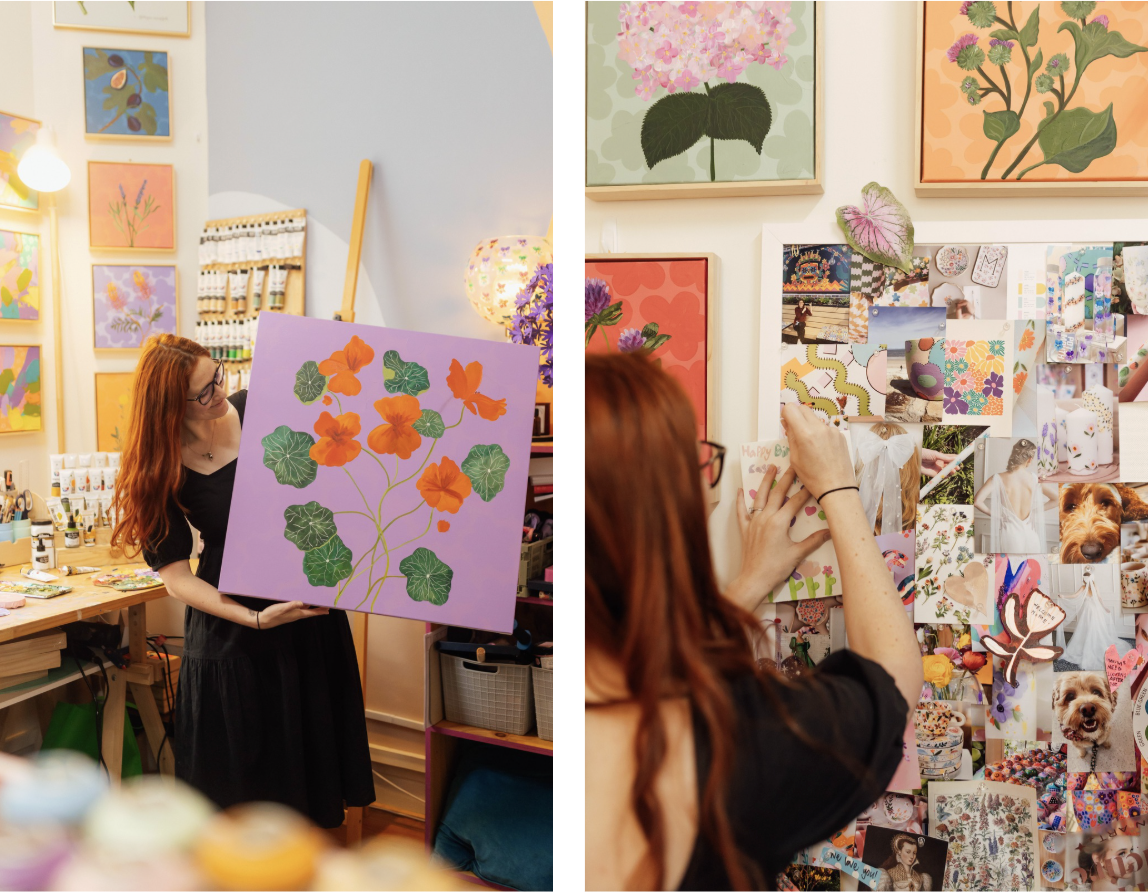
Confession #1: I still don't really know what I'm doing.
There. I said it.
I think there’s a point when you’re starting out where you assume everyone further along than you has cracked some secret code.
Surely real artists know exactly how much to charge.
Surely established small-business owners have immaculate spreadsheets.
Surely everyone else knows what all the boxes on the form mean.
Then you become one of those people and realise we’re all just Googling things with varying degrees of confidence.
I have exhibited work, painted murals, taken commissions, worked with organisations, run workshops, applied for grants and built a creative business.
I also regularly encounter something that makes me think, “Oh god, was I supposed to know that?”
You learn. You ask someone. You Google it. You make a mistake. You fix it. Then, approximately six months later, somebody asks you how to do it and you suddenly realise you know things now.
That, apparently, is professional development.
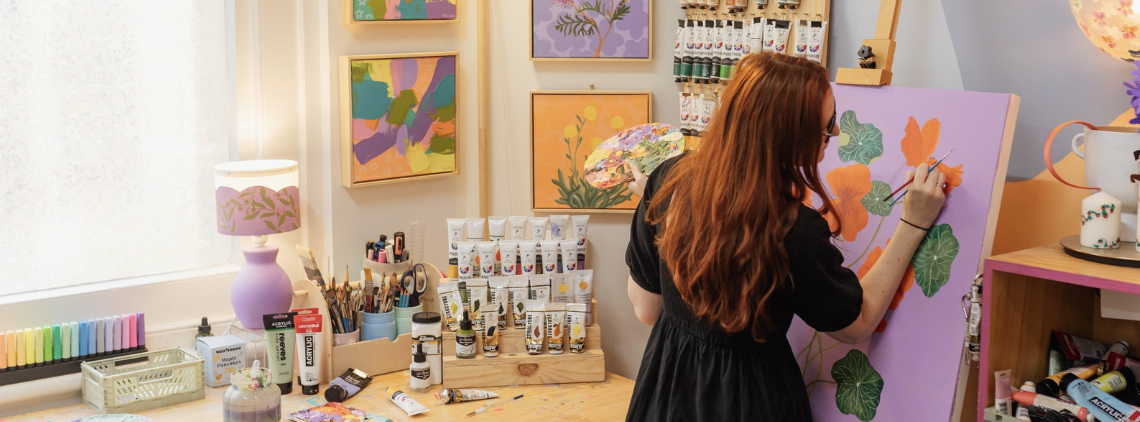
Confession #2: Making the art is sometimes the smallest part of being an artist.
There are weeks when I spend more time talking about art than actually making it.
Emails. Quotes. Invoices. Applications. Photographing work. Editing those photographs. Updating the website. Packaging orders. Writing captions. Answering enquiries. Following up enquiries. Ordering materials. Working out why Australia Post has done that.
And then there’s social media.
Apparently it isn't enough to make the painting. You must also film yourself making the painting, remember to move the tripod six times, edit the footage, find some audio that doesn't make you want to throw your phone into the sea, write a caption and then enthusiastically tell everyone that the painting exists.
By the time that's done, you almost forget that you actually quite like painting.
Almost.
The boring bits, though, are often what allow the good bits to happen.
Sending the invoice means I can buy more paint. Updating my website helps somebody find me. Writing the application might pay for the next project.
The admin isn't separate from the creative practice anymore. It's part of keeping it alive.
Confession #3: Being good at making something and being good at selling it are completely different skills.
This one took me a while.
You can be an extraordinary painter and terrible at talking about your work.
You can make beautiful ceramics and have no idea how to price them.
You can be an incredible illustrator and feel physically ill at the thought of sending someone an invoice.
None of those things make you less talented.
But unfortunately, talent alone does not pay your electricity bill
At some point, if you want your creative practice to become a sustainable business, you have to learn how to talk about what you do, put a price on it and ask people to pay you
And yes, it can feel deeply uncomfortable.
Particularly when the thing you're selling came out of your own brain and hands.
But charging appropriately for your work isn't being greedy. You're paying for the materials, yes, but also the years you spent learning how to use them. You're paying for the failed versions, the experiments, the equipment, the studio, the insurance and all those invisible hours that happen before somebody sees the finished thing.
Confession #4: Please, for the love of god, get it in writing.
Creative people are lovely.
Creative people are generous.
Creative people are also extremely capable of agreeing to an entire project through a series of Instagram DMs and then wondering how everything went horribly wrong.
I say this with love because I have absolutely been that person.
Get it in writing.
What are you making? How much is it? When is payment due? How many revisions are included? Who owns the finished work? What happens if the project is cancelled?
It feels incredibly awkward until the first time something goes wrong.
Then suddenly contracts become very sexy.
Confession #5: Other artists are not your competition.
This might be the biggest thing running a creative space has taught me.
Every day I’m surrounded by painters, illustrators, ceramicists, tattoo artists, designers, makers, photographers and all sorts of people doing wildly different things with their creativity.
And the more of them I meet, the less I believe in the idea that we need to guard information from each other.
Tell someone about the grant.
Send them the supplier.
Recommend them for the job you can't take.
Tell them what you charged.
Share the contact.
Explain the thing you spent three hours figuring out so they don't have to.
Someone else's success does not take something away from mine.
If anything, some of the biggest leaps in my own career have happened because another creative told me something, introduced me to someone, encouraged me to apply or simply said, “You should charge more for that.”
Community has been infinitely more useful to me than competition.
Confession #6: Nobody is going to tap you on the shoulder and tell you that you're a real artist now.
I really thought this would happen.
Maybe there would be a letter.
A certificate?
A tiny ceremony where someone hands you a beret and says, “Congratulations, Cassandra. You may now confidently refer to yourself as an artist.”
Still waiting.
There is always another milestone you can invent before allowing yourself to take your practice seriously.
I'll be a real artist when I sell something.
When I have an exhibition.
When I get a commission.
When I paint a mural.
When I get into that opportunity.
When somebody important knows my name.
The goalposts are very good at moving.
At some point, you have to stop waiting for permission.
You make art? You're an artist.
You sell the things you make? Congratulations. You also have a small business.
Sorry about the paperwork.
Confession #7: I still can't quite believe this is my job.
There are days when running a creative business is wonderful.
There are also days when I have 47 emails, three invoices to chase, an application due at midnight and absolutely no idea where I put the receipt I very specifically told myself not to lose.
I've learned more about tax, contracts, insurance, leases, marketing and spreadsheets than 2019-me ever wanted to know.
But I've also spent the past six years learning, playing, painting and slowly building a life around making things.
And now I get to watch other creatives do the same.
That's the bit I wish we talked about more.
A sustainable creative career isn't just about becoming better at making things. It's about building enough structure around your creativity that it has room to survive.
Learn the boring stuff.
Ask stupid questions.
Get the contract.
Send the invoice.
Charge properly.
Tell other creatives what you've learned.
And accept that occasionally you'll spend an entire afternoon doing admin when you'd much rather be painting.
Would I trade all of that for a normal job?
Ask me during BAS week.
But probably not.